What is networking?
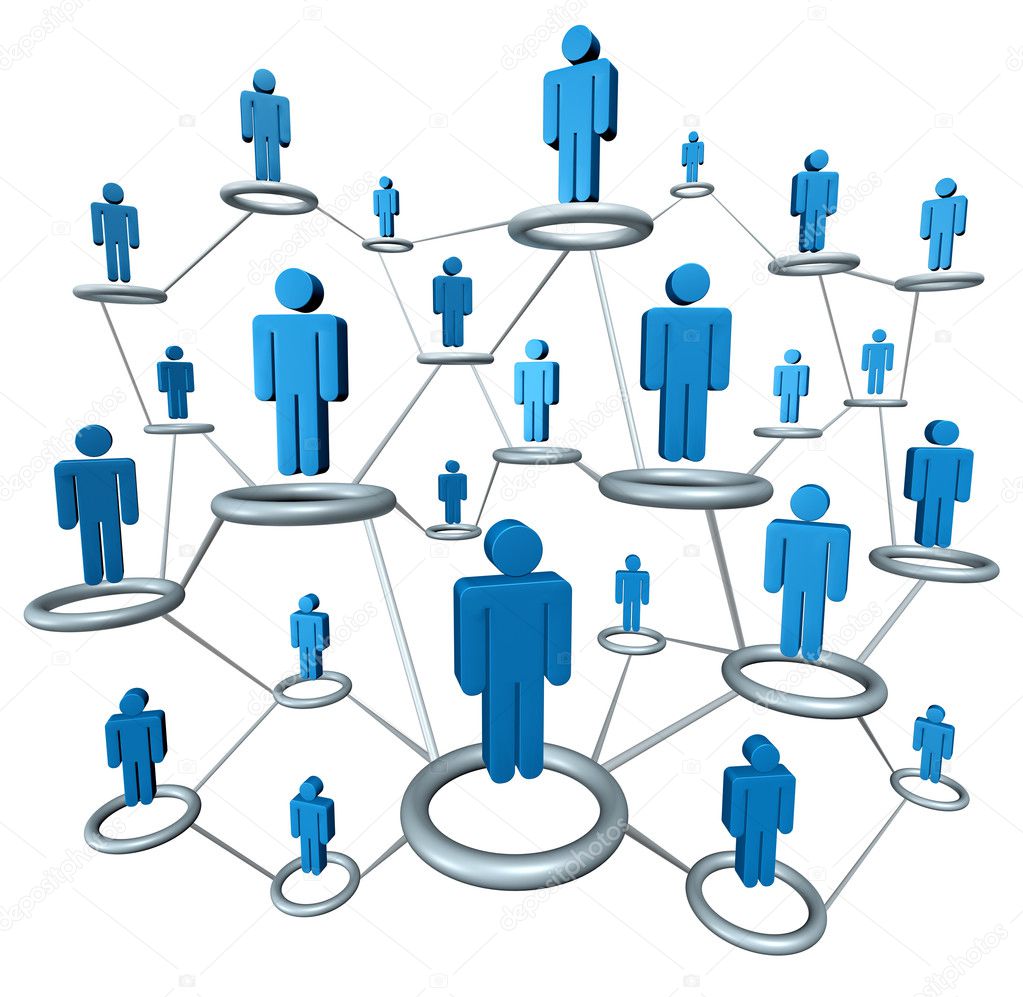
I would like to start by first explaining what exactly networking is in terms of the creative industries. It is similar to having a good online presence but at its core is fundamentally different. Networking is all about connecting with people in person or on LinkedIn and building strong bonds through communication. You exchange information and ideas with people in your professional community, often in informal social settings. Networking at social events is useful for expanding your circle of acquaintances, finding out about job postings or opportunities and gaining an increased awareness of developments in your field. This great article by Investopedia highlights in more detail about what networking is if you want to read more.
Networking is important for the creative industry as it is used to build mutually beneficial relationships and build trust with people in your line of work.

How do you effectively network?
One of the most important things to consider when starting is doing research. Researching people and businesses is vital when you attend networking events. You need to be able to know who you’re talking to and what projects they have worked on to effectively communicate with them. Doing this shows a greater level of interest and allows you to build a rapport with them much easier.
Having good personal skills is also very important. No one will want to work with someone who isn’t confident in their abilities and doesn’t sound confident in themselves when they talk. Being positive and enthusiastic will have a better effect on people and they are more likely to remember you. Being friendly when approaching people will also help make people aware of you. Also, being a good listener and being curious about people’s work or business will go along way. You may have some insight or solution to a problem that they may have.
Having good social and personal skills is important, but so is being professional. Always maintain your integrity and trust. Word of mouth will allow business relationships to foster so if you have a poor reputation or are untrustworthy, you are unlikely to be approached for future opportunities.

Debunking some networking myths
Firstly, networking is not about manipulation, it is about building relationships. This is not only beneficial for yourself but for the other party as well. Remember that to get you need to give, trust is built on being reciprocal.
Another common myth is that networking is not worth the effort. This could not be more wrong. Yes, it takes time and effort to build a strong network, but in the long run your network will work for you.
“I am a junior and no one will want to connect with me”. This statement is simply not true. Networkers are always willing to connect with people who attract their attention. If you are true to yourself and try to stand out from the crowd, then it does not matter what level of development you are at.
If I put in the hours and work hard, I can be successful working solo. This may be true for some, but if you never try networking, you may never know what heights you could reach by working with others. You could be much more successful by engaging with others and being exposed to their opinions, influences and ideas. Talking with that certain someone may spark your greatest idea, and you may have missed it if you never connected with them.
This article has some further reading about myths and misconceptions which may be beneficial for you to check out.
Networking tips
I would like to end this blog post with a short section on some useful tips, as well as debunking some common myths.
- Keep your contact information and list updated. Your contact details should be current, and it is helpful to keep notes on people who are on your contact list. This will help identify and recognize people in the future.
- Take the time to nurture people. Remember important events that are related to your contacts and message them about it. This advice is not only effective for building business relationships but also for nurturing friendships.
- Create and use business cards. Hand people your cards and get theirs. You can also use the card to make notes you want to remember about them.
- Put the power in your hands. Put in the effort to get a person’s contact details but don’t be disheartened if they snub your efforts.
- Don’t miss a chance to connect. If you missed someone at a meeting or an event, message them via social media or LinkedIn and tell them so.
- Be generous and help to make connections. If you want to move on to another person, invite the person you are talking to along. This will help introduce them if they haven’t met and further foster bonds. Remember that conversation is fueled by common interests.
 Fraser Bonner
Leave a comment