Before I explain their importance for the creative industry, I would like to first discuss what IP rights are and what IP actually stands for.
IP stands for Intellectual Property and this refers to any creations of the mind, such as inventions, literacy, artistic works, designs, symbols and any other image or name used in commerce. If you create a product or a brand and have a patent protecting your rights, then you are safe from people trying to steal your work. As I live in the UK, this article from the UK government website provides some great information on IP rights for a British citizen.

Now we know what IP rights are and why they are important, let’s discuss why they matter for the creative industry. Copyright is what is most prominently used in the creative industry as it protects the creator of a piece of work from someone stealing or copying their work and passing it off as their own. It protects the rights relating to certain works such as: literacy, artistic, sound recordings, music, films and broadcasts.
It is important to know that copyright is alienable. This means that it can be transferred to another person, or the owner can grant a license to the work allowing use of certain aspects pertaining to the license.
Some permitted acts relating to copyright works include making a copy for private study, review, criticism and non-commercial research.
I would like to add that copyright infringements are all too common in today’s world. One of the more recent and prominent cases involves Nintendo and The Pokémon Company.
Nintendo won their $15 million copyright lawsuit against Chinese mobile game developers. Although the case was filed in December 2021, it was not resolved until September 2024. There were several Chinese companies accused of developing and publishing a turn-based RPG called Pocket Monster Reissue. A look at the case shows that the game developed had blatantly plagiarized multiple characters and creatures from the popular game series Pokémon. This article by nintendolife goes into more detail if you wish to check it out.
Does IP rights stifle creativity?
Personally, I don’t think it does. When creating a piece of work, you must always research the idea and see if there are already products or similar ideas on the market. Intellectual property rights can serve as a catalyst for creativity by providing a framework for creators to receive praise and recognition. It does this by encouraging and pushing artists and inventors to push boundaries and strive for something unique, fostering creativity and development.
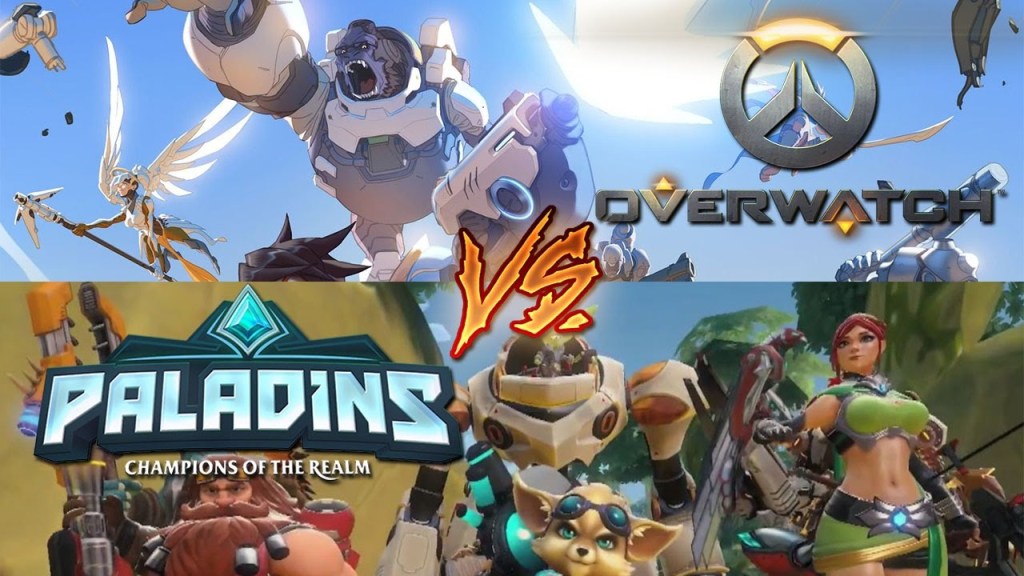
For the games industry, there are many instances where potential plagiarism is discussed. One such example that comes to mind for me is the Overwatch v Paladins debate. Both games were in development at a similar time and were released not too long from each other. Both featured two teams of players in a battle shooter scenario and both games also featured an eclectic cast of playable characters. It was easy to compare some gameplay and characters because of their similarities. You can read a more in-depth analysis on this debate here.
Both games mentioned above had their similarities, but there were also just as many differences, and I think there’s a good case to be made that there is no blatant copying in this example.
This insightful article by pcgamer showcases many of the biggest lawsuits involving copyright in the 2020s so far. It showcases lawsuits from games companies and large businesses, between fans and a games company for intentionally obfuscating poor performances and even between a games company and a football club. I highly recommend checking it out.
In conclusion
In conclusion, I feel that IP rights are integral for the creative industry. It protects creators from plagiarism and theft, while also fostering creativity for new and innovative pieces of art. It protects commercially created pieces of work and helps facilitate new ideas. Innovation is critical to human progress, and if these laws help reimagine and stimulate innovation then I’m all for it.
 Fraser Bonner
Leave a comment